What Happens During a Chiropractic Adjustment? The “Crack” Explained
Patients ask us two questions more than any others: what was that noise, and did something slip back into place. The second answer is no. Here’s the honest version of what happens during a chiropractic adjustment, what the popping really is, what it can’t do, and the cases where we won’t touch your spine at all.
So what is that popping noise?
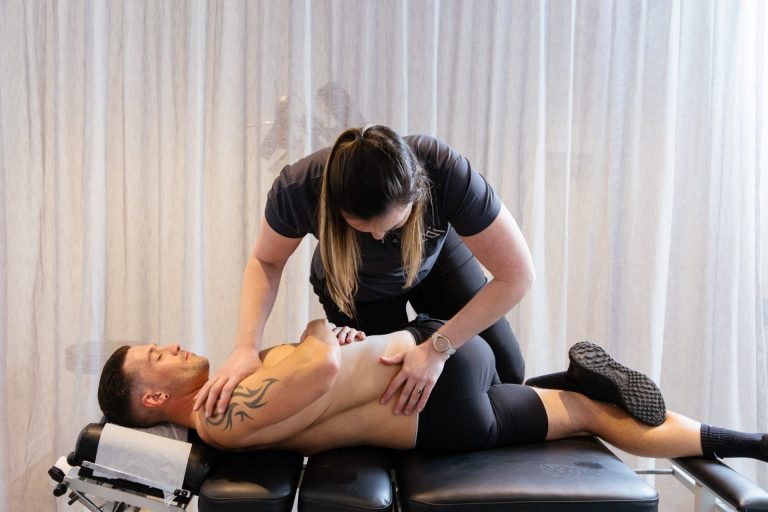
Cavitation is the name for it. Each spinal joint sits inside a capsule filled with synovial fluid, and that fluid holds dissolved gas. Take the joint quickly past its usual range, and the pressure inside the capsule drops, the gas comes out of solution, and you hear a click. Same physics as cracking your knuckles.
It is not bone on bone. Nothing snaps, nothing breaks, and no vertebra slides back into a groove it had wandered out of.
Here’s the part most people never hear. That gas takes roughly 20 minutes to dissolve back into the fluid, which is why you usually can’t crack the same joint twice in a row and why a second attempt just feels like a firm push.
| What you may hear or feel | What it actually means |
|---|---|
| A single sharp pop or crack | Gas leaving solution in the joint capsule as pressure changes. Not bone, and not a bone moving back into place. |
| A series of smaller clicks | Several joints releasing gas, or tendon and ligament moving over bone. Usually harmless. |
| Nothing at all | Mobilisation or soft tissue work instead of a thrust. No noise, no problem. |
| Warmth, tingling or a sense of release | A change in nervous system input and muscle tone around the segment. |
| A dull ache the next morning | Mild soreness from the tissue being worked. Typically settles in 24 to 48 hours. |
| A sudden severe or radiating pain | Not a normal response. Stop, tell your practitioner, and get it assessed. |
What happens during a chiropractic adjustment: what we are actually trying to change
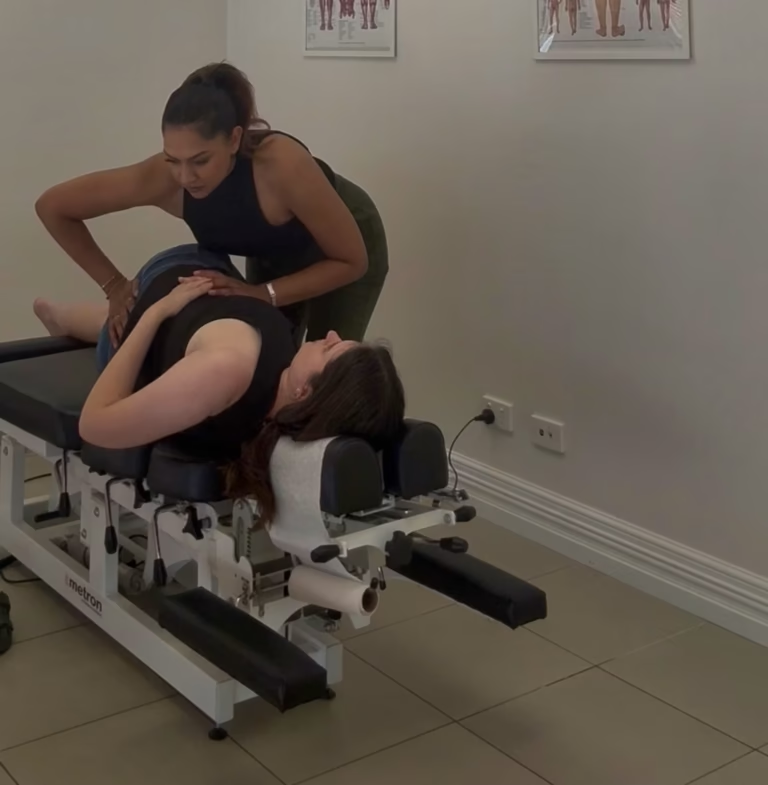
An adjustment is a mechanical input, nothing more mystical than that. We’re aiming at four things: joint mobility that has become restricted, muscular tone around that segment, the nervous system’s input from the area, and your confidence to move in a direction you’d stopped using because it hurt.
Spinal manipulation and joint mobilisation sit on one spectrum. Manipulation is the quick, low-amplitude thrust that often pops, while mobilisation is slower and gentler and works on the same tissue without the soundtrack.
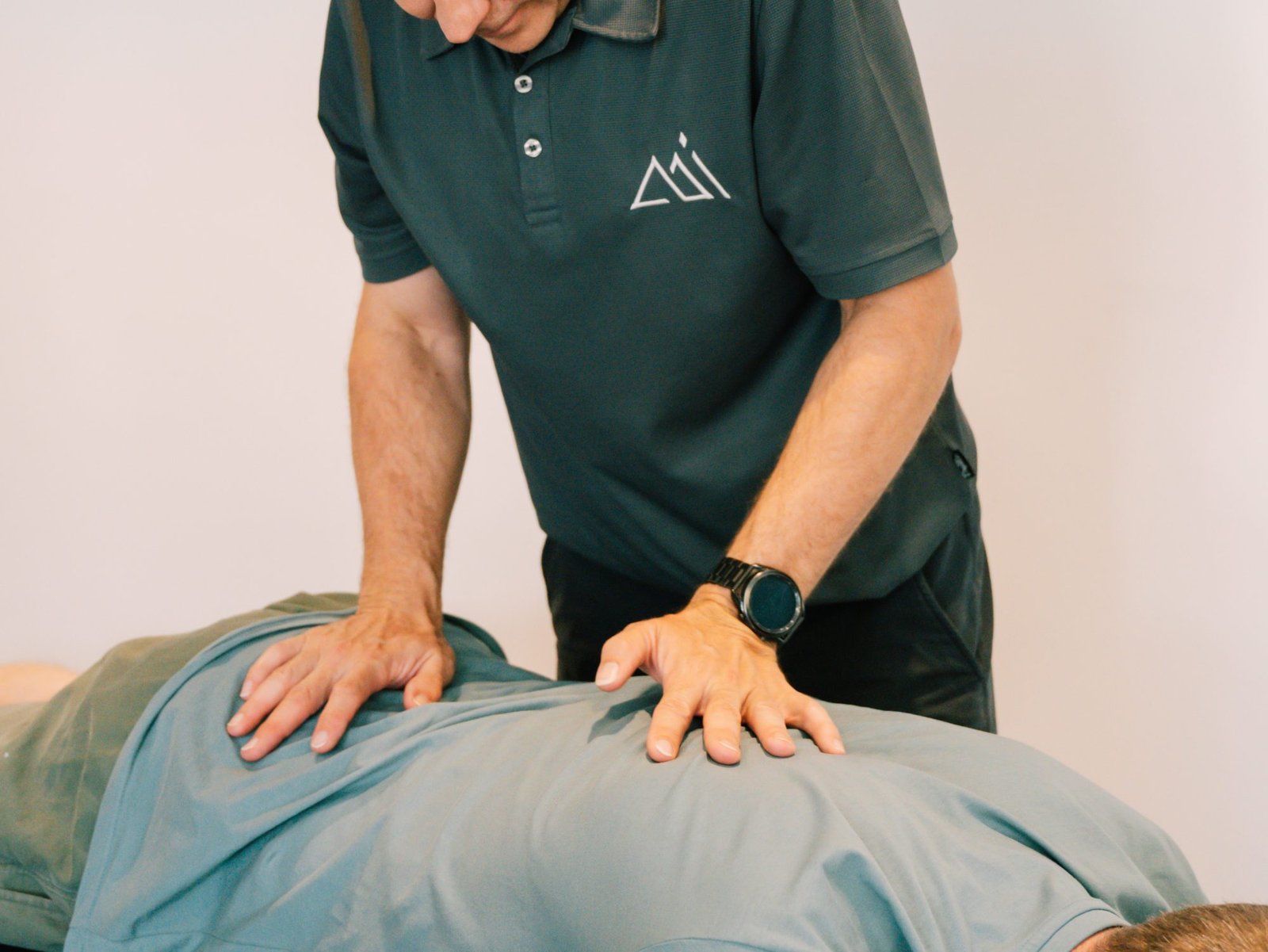
That range matters. Not every sore back wants to be thrust on day one, and if you’re guarding hard, the first session might be soft tissue and gentle mobility instead.
Three things an adjustment will not do
It will not put your spine back in place. Vertebrae aren’t Lego bricks. They don’t slide out of alignment and get clicked home again. What changes is how freely a joint moves and how your nervous system responds to that movement.
No, it doesn’t fix your immune system or detox you. There’s no credible mechanism and no quality evidence that a thrust to your thoracic spine alters immune function or clears toxins. Your liver and kidneys handle that job. Any clinic selling adjustments as a detox is selling you something else.
It isn’t a substitute for strength work. A 2024 Cochrane review of spinal manipulative therapy for chronic low back pain found the short-term effect on pain was statistically significant but too small to be clinically meaningful, and that no serious complications were reported. Hands-on treatment can buy you comfort and range. Loading the tissue is what stops the problem returning.
Who should not be adjusted
This list is longer than most clinic advertising suggests, and we’d rather say so up front. We don’t thrust through a spine showing signs of fracture, infection, tumour or inflammatory arthritis. Significant osteoporosis or long-term corticosteroid use makes bone fragile enough that we choose gentler techniques instead, and unstable segments, recent trauma or surgery, and symptoms pointing to reduced blood flow in the brain all get a different plan.
Some of those need a medical review before anyone touches your spine. Numbness around the groin or saddle area, changes in bladder or bowel control, progressive weakness in a leg, unexplained weight loss, fever, or pain that wakes you every night belong in a GP’s office first.
Pregnancy isn’t a blanket no. We change position and technique, and skip the thrusts.
Registration matters as well. Every practitioner at our clinic is registered with the Chiropractic Board of Australia, the body you can check any chiropractor against.
What to expect afterwards
Mild soreness for 24 to 48 hours afterwards is common and normal. It feels like the day after an unaccustomed gym session. Roughly half the people who receive spinal manipulation report it, it settles on its own, and it doesn’t mean anything went wrong.
Some techniques make no noise at all. Mobilisation, soft tissue therapy and instrument-assisted methods often produce nothing audible, and people still walk out moving better. Healthdirect describes chiropractic treatment as including spinal manipulation, manual therapy such as massage, and ergonomic advice.
If a practitioner tells you the crack itself is the treatment, that’s a cue to ask more questions.
How to tell a good treatment from a bad one
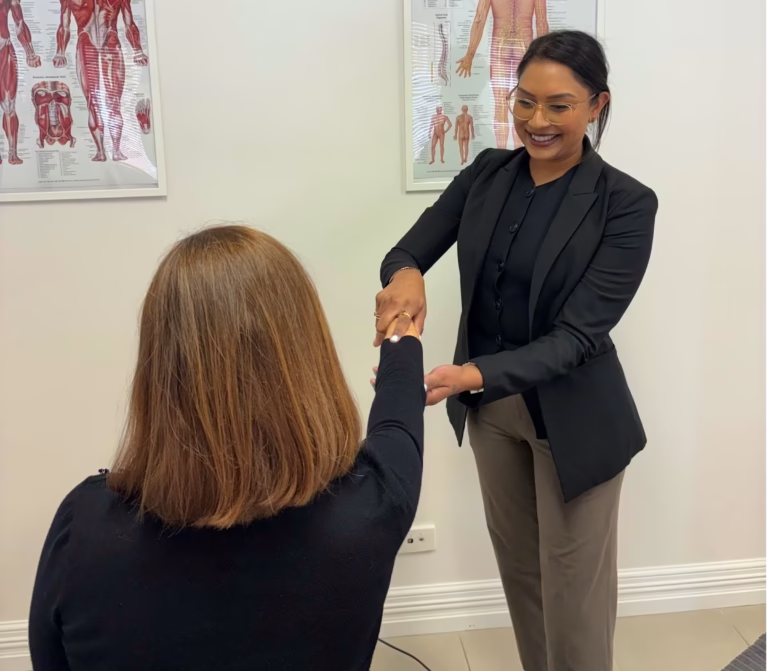
A good treatment opens with questions and a physical exam. It gives you a working diagnosis, an explanation you understand, several exercises to do at home, and a plan with an endpoint.
The bad version opens with X-rays you didn’t need, a lifetime care package, and a promise that regular adjustments will prevent every illness going. That model isn’t rare, and it’s the main reason people arrive at our chiropractic service sceptical. We’d rather earn the trust than assume it.
Judging what happens during a chiropractic adjustment starts with the assessment, not the technique.
For lower back pain in particular, the honest conversation starts there too. Read what we look for in lower back pain before you book.
References
- healthdirect Australia: Chiropractors and chiropractic treatment
- Cochrane: benefits and risks of spinal manipulative therapy for chronic low back pain
- Chiropractic Board of Australia: codes and guidelines
If you’ve been putting off having a sore back or neck looked at because you didn’t know what happens during a chiropractic adjustment, that’s a fair reason to start with a conversation. Peak Performance Institute is at 144 Cambridge St, West Leederville, open from 6:30am on weekdays. Call (08) 9381 1265 or book online, and we’ll tell you plainly whether an adjustment is likely to help you or whether you need something else.