The Vagus Nerve and Chiropractic: How Cranial Nerve X Affects Your Health
What is the vagus nerve?
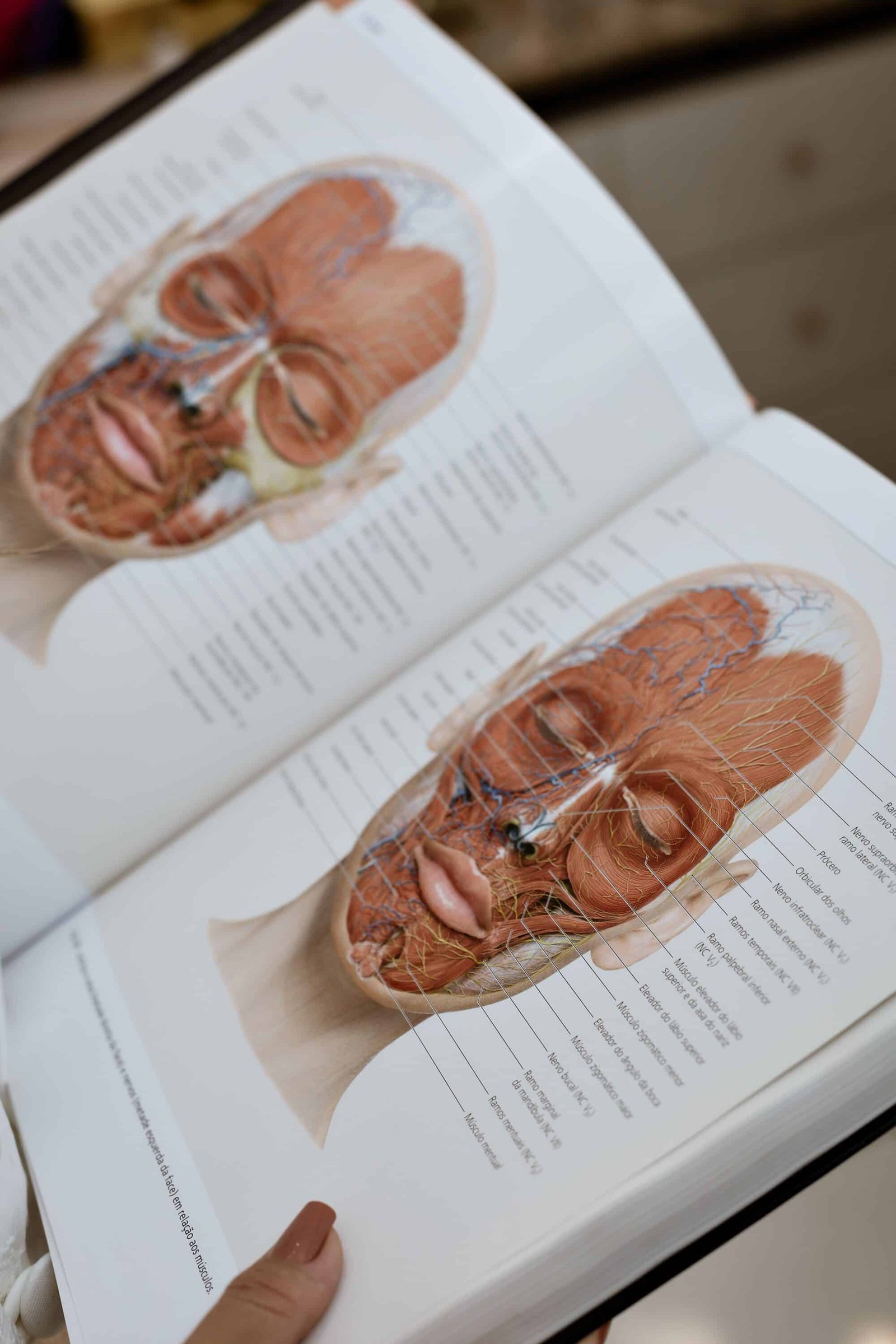
There are 12 cranial nerves in the body that link the brain to other areas. Some nerves only send sensory information to the brain, while others provide motor functions such as muscle movement. The vagus nerve — cranial nerve X (10) — is unique because it provides both sensory and motor functions.
The vagus nerve is responsible for:
- Digestion — stimulating contractions in the digestive tract to move food through
- Heart rate — helping regulate the heart’s rhythm
- Breathing — controlling respiratory muscles in the pharynx and larynx
- Reflexes — coughing, sneezing, swallowing, gagging and vomiting
Understanding your nervous system
Your central nervous system consists of your brain and spinal cord. Your peripheral nervous system is made up of nerves that communicate between the central nervous system and the rest of your body.
The peripheral nervous system has two branches:
- Autonomic nervous system — controls smooth muscles (like your intestines), organs (like your heart) and glands. It functions automatically, without conscious effort.
- Somatic nervous system — controls the skin and skeletal muscles, which are conscious activities.
The vagus nerve plays a major role in the parasympathetic (rest-and-digest) branch of the autonomic nervous system. When your vagus nerve is functioning well, your body can properly relax, digest food and recover.
Sensory and motor functions of the vagus nerve
Sensory functions include:
- Sending sensation from the skin of the outer ear and parts of the throat to the central nervous system
- Carrying sensory information from the lungs, heart and digestive tract
Motor functions include:
- Stimulating muscles in the back of the mouth, pharynx and larynx
- Stimulating the heart muscle
- Activating contractions in the digestive tract
How your chiropractor tests vagus nerve function
A common and simple way Dr Tash Logan at Peak Performance Institute may test your vagus nerve is through the gag reflex. If the gag reflex is absent, it may indicate a problem with the vagus nerve. Measuring your heart rate and blood pressure response to exercise also provides important information about how your vagal nerve is functioning.
Signs of vagus nerve dysfunction
Symptoms that Dr Logan will assess for when there is vagus nerve irritation or dysfunction include:
- Difficulty swallowing
- Loss or change of voice
- Low blood pressure
- Changes in digestive process
- Abdominal bloating or pain
How chiropractic can help
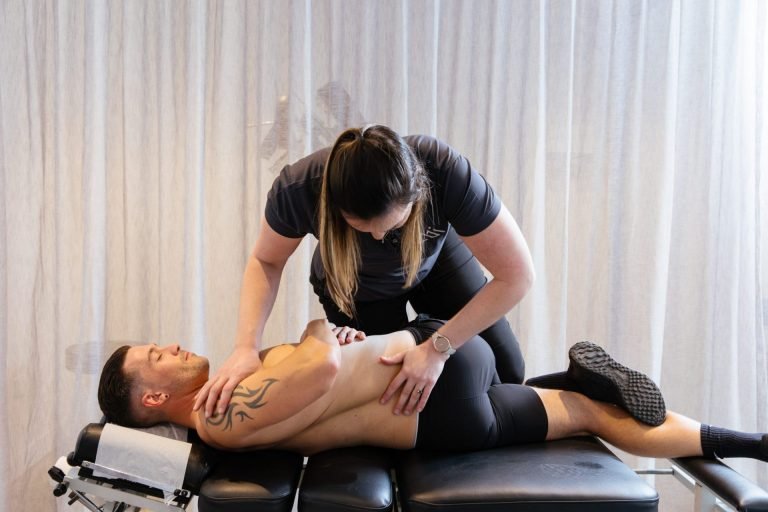
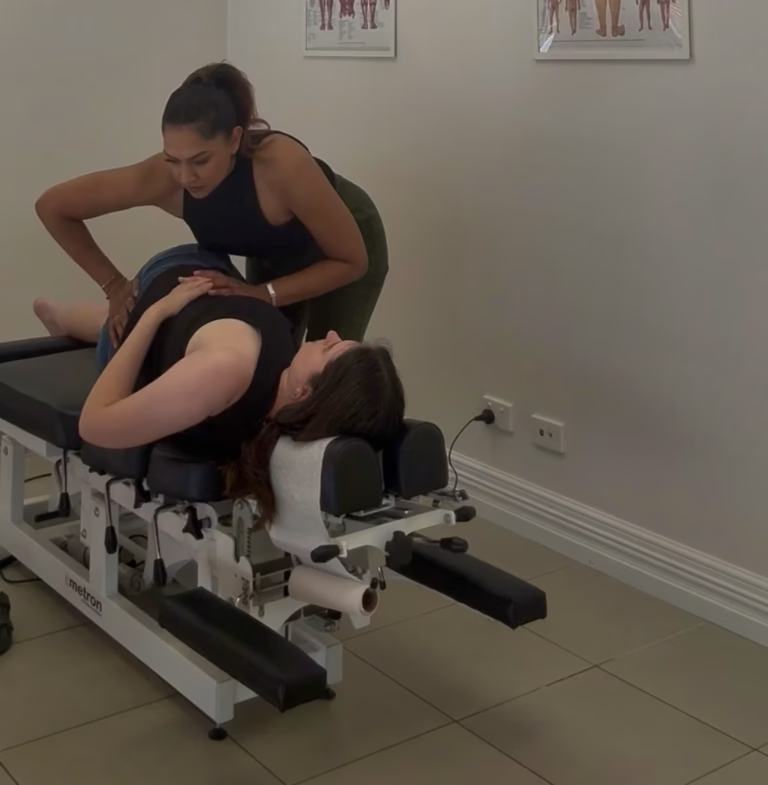
Chiropractic care focuses on removing interference in the nervous system. Because the vagus nerve has direct connections to the brainstem and spinal cord, spinal misalignments — particularly in the upper neck — can affect vagal nerve function.
By restoring proper alignment and movement to the spine, Dr Tash Logan helps your nervous system function at its best, supporting healthy digestion, heart rate regulation and overall wellbeing.
At Peak Performance Institute, we see patients from across Perth’s western and inner-city suburbs including West Leederville, Subiaco, Floreat, Wembley, Leederville, Mount Hawthorn and beyond. If you’re experiencing any of the symptoms above, book a comprehensive chiropractic assessment today.
About Dr Tash Logan
Dr Logan’s passion is ensuring the human body is functioning at its absolute optimum capacity, allowing you to lead your life to the fullest. An elite athlete throughout her childhood and teenage years, she participated in various forms of martial arts and developed a strong awareness of the body and the importance of being at your peak every day. Chiropractic allowed Dr Logan to achieve this level of overall wellness — inspiring her to pursue a career in chiropractic so she could help others do the same.