
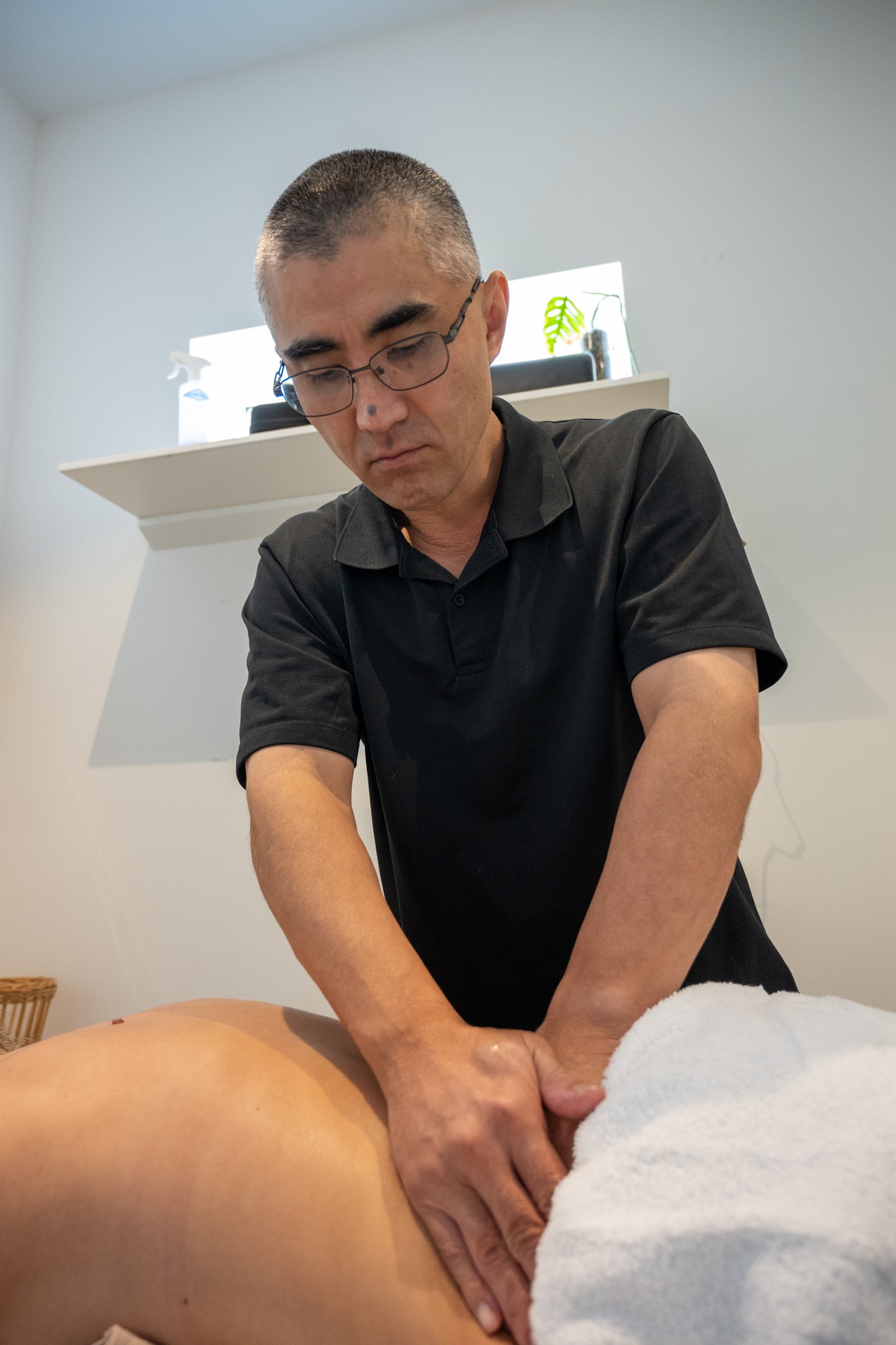
Remedial Massage: Real Relief for Tight Muscles and Slow Recovery
You know the feeling. Your shoulders have crept up toward your ears, your lower back grumbles every time you stand up, and that niggle from last week’s gym session just won’t let go. You’ve stretched, you’ve rolled, and still it lingers. This is exactly where remedial massage West Leederville comes in.
Remedial massage isn’t a fluffy spa rub. It’s a hands-on, problem-solving treatment that digs into the specific muscles causing your pain, loosens them up, and helps your body recover and move properly again. In this guide, we’ll walk through what remedial massage actually is, how it differs from a relaxation massage, the benefits it delivers, and how our therapists at Peak Performance Institute (PPI) use it alongside physiotherapy, chiropractic and podiatry to get you back to feeling like yourself.
What Is Remedial Massage (and How It’s Different from Relaxation Massage)?
Both treatments involve skilled hands, but they’re chasing very different goals. A relaxation massage is exactly what it sounds like: long, soothing strokes designed to help you unwind, lower stress and switch off. It’s lovely, but it’s not trying to fix anything specific.
Remedial massage is outcome-based. Your therapist assesses your movement and posture first, then works on the exact muscles, tendons and soft tissue that are tight, sore or restricted. It’s deeper, more targeted, and always directed at a real problem — a knot in your neck, a cranky hip, a shoulder that won’t rotate properly, or a calf that keeps seizing up after running. Think of relaxation massage as maintenance for your mood, and remedial massage as maintenance (and repair) for your body.
The Benefits of Remedial Massage West Leederville Locals Feel First
People walk into our clinic on Cambridge Street with all kinds of complaints, but the benefits they report tend to fall into a few familiar buckets.
Releasing Muscle Tension and Pain
Chronically tight muscles are often the hidden driver behind headaches, neck stiffness and lower back pain. Remedial massage increases blood flow to those areas, warms the tissue and physically releases the knots and trigger points that have been holding tension. The relief isn’t just pleasant — research backs it up. A systematic review and meta-analysis published in Frontiers in Physiology found that massage meaningfully reduces delayed-onset muscle soreness (DOMS) after strenuous exercise.
Faster Recovery After Exercise or Injury
Whether you’re a weekend warrior, a runner, or someone bouncing back from a strain, recovery is where the magic happens. Massage helps flush out metabolic waste from hard-working muscles and brings in fresh, oxygen-rich blood to repair them. The Victorian Government’s Better Health Channel lists massage as a recognised way to support recovery and manage soft-tissue injuries. In practical terms, that means less soreness the next day and a body that’s ready to go again sooner.
Better Posture and Easier Movement
Hours at a desk, driving, or hunching over a phone all pull your body out of alignment. When some muscles get overworked and others switch off, your posture suffers and movement gets stiff. Remedial massage rebalances the load — releasing the tight spots so the weaker muscles can start doing their job again. The result is that you sit taller, move more freely, and put less strain on your joints.
What to Expect in a Session
Never had a remedial massage before? Here’s how it usually goes at PPI. Your therapist will start with a quick chat about what’s bothering you, your daily routine, and any past injuries. They’ll get you to do a few simple movements so they can see how you actually move — where you’re stiff, guarded or compensating.
Then the treatment itself. Expect firm, focused pressure rather than gentle gliding, and don’t be surprised if your therapist uses their thumbs, elbows or forearms to get into stubborn areas. It can feel intense, even a little “good pain”, but you should never be in real distress — a good therapist works with you, not on you. Afterwards, you might feel a little tender (like after a solid workout) and you’ll likely be told to drink plenty of water. Most people walk out feeling looser, lighter and noticeably more mobile within a session or two.
How Remedial Massage Complements Physio, Chiro and Podiatry
One of the best things about being treated at a multidisciplinary clinic is that your massage therapist isn’t working in a silo. At Peak Performance Institute, remedial massage slots neatly in beside our other services:
- Physiotherapy — your physio rebuilds strength and corrects movement patterns; massage softens the tight tissue that’s fighting against those changes.
- Chiropractic — a chiro adjustment is far more likely to “hold” when the surrounding muscles aren’t yanking the joint straight back out of place.
- Podiatry — foot and gait problems often show up as tightness in the calves and lower back; massage helps unwind the compensation while your podiatrist addresses the root cause.
Pairing remedial massage with any of these makes each treatment work better, and it’s one of the reasons locals keep coming back to our West Leederville clinic.
Ready to Feel Better? Book Your Remedial Massage at PPI
You don’t have to live with tight, sore muscles or a slow recovery. Whether it’s a stubborn knot, an injury that’s dragging on, or simply the toll of a busy life, our remedial massage therapists at Peak Performance Institute are here to help — right in the heart of West Leederville at 144 Cambridge Street.
Call us on (08) 9381 1265 to book your session, or drop in and chat to our friendly team. Your shoulders (and your back, and your hips) will thank you.
References
- Better Health Channel (Victorian Government) — Massage
- Guo J. et al. (2017). Massage Alleviates Delayed Onset Muscle Soreness after Strenuous Exercise: A Systematic Review and Meta-Analysis. Frontiers in Physiology, 8:747.
- Cleveland Clinic — Everything You Need to Know About Massage Therapy