
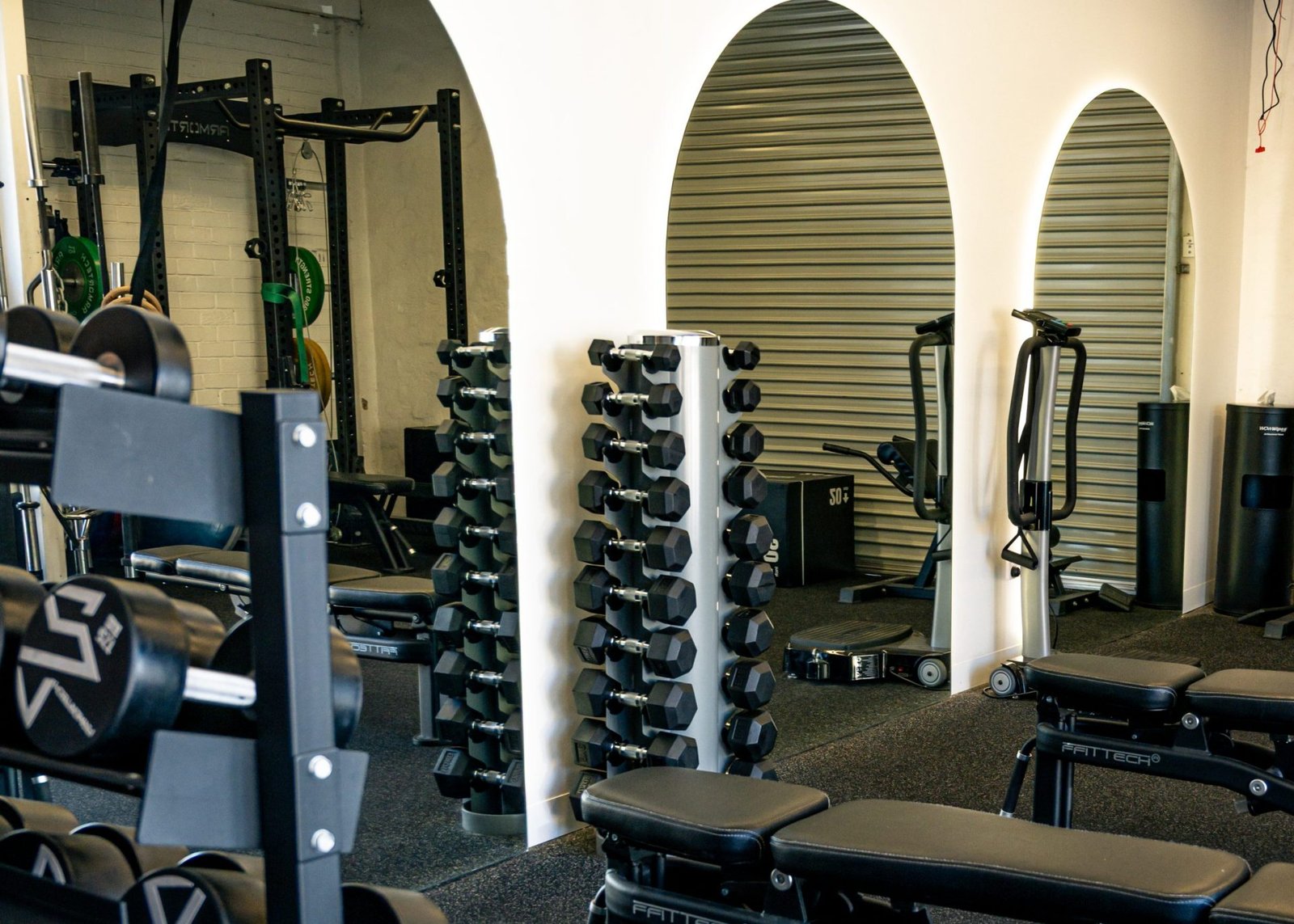
Exercise Physiologist vs Personal Trainer: What’s the Difference?
Sorting out exercise physiologist vs personal trainer comes down to what you’re asking for. One is an allied health professional trained for diagnoses, injury and funded care. The other is a coach who builds fitness and keeps you consistent.
Two different qualifications, two different jobs
A personal trainer holds a Certificate IV in Fitness, a nationally recognised qualification that takes months rather than years. An accredited exercise physiologist (AEP) holds a university degree in clinical exercise physiology plus accreditation through ESSA, the profession’s peak body.
Trainers work with healthy people. That’s the tidy version, and it isn’t a knock on anyone. The job is to make a client stronger, leaner, faster or more consistent at the gym.
AEPs work with people who arrive with something going on. A cardiac event. A knee reconstruction. Type 2 diabetes. Clinical exercise is the term for it. Same barbell, different reasoning behind every rep.
What a four-year degree actually adds
Four years of study buys subjects a Certificate IV never touches: pathology, pharmacology, biomechanics, exercise testing, and how disease changes the way a body tolerates load.
Risk screening comes first. An AEP checks blood pressure, medications, cardiac history and the red flags on a screening questionnaire before writing a single set. Good trainers screen too. Their scope stops where pathology starts.
Entry standards are set by ESSA: four years of study, 140 hours of supervised practical experience, then another 360 hours with clinical populations before AEP accreditation is granted.
Clinical reasoning matters most when a diagnosis is attached. Programming around an ACL repair, or a shoulder that’s been frozen for eight months, means knowing what the tissue can tolerate this week and what it might tolerate in twelve. That’s prescription, and it’s the part insurers and Medicare treat as a health service.
When a personal trainer is the right answer
The exercise physiologist vs personal trainer question has a boring answer for plenty of people: you don’t need us. If you’re healthy, injury-free and chasing general fitness, hire a good personal trainer.
Accountability is the real product. Someone expects you at 6am. Someone plans your week, watches your squat and calls when you go quiet. AEPs do that work too, but you’re paying for clinical training you might never need.
Cost per session is a fair comparison, so run it. Personal training fees usually sit below allied health fees, there’s no referral paperwork, and you can book twice a week without touching a funding cap. Technique coaching, competition prep and strength and conditioning all sit inside a trainer’s scope. With no diagnosis, no funding pathway and no rehab timeline to work around, the maths usually favours a trainer who can see you three times a week.
When you need an AEP instead
Here’s where the answer flips. Book an AEP when exercise is treatment rather than recreation.
- You’ve had a cardiac event, or you’re managing heart failure or high blood pressure.
- You’re recovering from surgery, or rehabilitating an injury with a formal diagnosis.
- You live with type 2 diabetes, cancer, chronic pain, MS, Parkinson’s disease or a mental health condition where movement is part of the plan.
- Your GP wants a written report, or the program must work around a diagnosis rather than a goal.
- You want Medicare, DVA, NDIS or private health extras to cover part of the cost.
If your GP has raised your blood pressure twice and you’re on four medications, that’s AEP territory. If you’re 24, running personal bests and chasing a faster 10km, it isn’t.
One honest limitation: AEP training leans toward chronic disease and clinical populations, so not every AEP carries deep experience in sprint mechanics or elite strength programming. Ask about their background.
Why we run both at PPI, and how they hand over
Peak Performance Institute keeps both professions in the same building on Cambridge Street, and the handover runs in both directions. Mark Maddison (physiotherapy) settles the acute injury and restores range of movement. Carlos Bervenotti (exercise physiology) takes the next phase: graded loading, capacity testing, and a program built to survive contact with real training.
BulletProof, our sports rehab program, is structured around that sequence. Physio clears the joint, the AEP rebuilds the engine, then a trainer keeps the strength work moving once the clinical phase ends. If a niggle won’t settle, the referral travels back the other way.
In practice, the exercise physiologist vs personal trainer handover is the reason both roles sit in one building. Handover notes travel thirty metres, not thirty kilometres.
How the funding works
Personal training is a private purchase. Exercise physiology attracts rebates, and that difference lands on the invoice.
Medicare comes first. A GP chronic condition management plan can refer you for up to five allied health services per calendar year, shared across physiotherapy, podiatry and the rest, and every session must run at least 20 minutes. The MBS listing for exercise physiology, item 10953, shows a schedule fee of $72.65 and an 85% Medicare rebate of $61.80.
DVA covers AEP sessions for Gold Card holders, and for White Card holders where the condition is accepted. NDIS plans fund exercise physiology through capacity building supports. Private health extras normally cover it too, though you can’t claim Medicare and private health for the same session.
No scheme pays for a personal trainer. That’s the simplest way to remember the line.
Exercise physiologist vs personal trainer: quick reference
| Situation | Best fit | Why |
|---|---|---|
| General fitness, fat loss, no diagnosis | Personal trainer | Lower cost per session, accountability, no referral needed. |
| Type 2 diabetes, cardiac history, chronic pain | AEP | Exercise dosing changes with medication, and progress goes back to your GP. |
| Return to sport after surgery | AEP, with physiotherapy | Graded loading decisions need clinical reasoning and capacity testing. |
| Chasing a 10km best or a first powerlifting meet | Personal trainer | Sport-specific coaching and frequent sessions do the work. |
| Living with disability under an NDIS plan | AEP | Capacity building supports fund it, with goals documented for plan reviews. |
Still unsure which one fits? Book an assessment at Peak Performance Institute, 144 Cambridge St, West Leederville. Call (08) 9381 1265 and we’ll match you with the right clinician, including when the honest answer is a personal trainer.


