
What Is Exercise Physiology and How Can It Help You?
You’ve heard that exercise is good for you. But when you’re dealing with a chronic condition, recovering from an injury, or struggling with your mental health, the standard “just go to the gym” advice doesn’t cut it. That’s where exercise physiology comes in — a science-based, individualised approach to using exercise as medicine.
What Is an Accredited Exercise Physiologist (AEP)?
An Accredited Exercise Physiologist (AEP) is a university-qualified allied health professional who specialises in delivering clinical exercise interventions for people with chronic conditions, injuries, and disabilities. Unlike a personal trainer, an AEP has completed a four-year university degree and is registered with Exercise & Sports Science Australia (ESSA). They understand the underlying pathology of your condition and design exercise programs to manage it.
What Conditions Can Exercise Physiology Help With?
Exercise physiology is incredibly versatile. At PPI Perth, our AEPs work with people experiencing:
Chronic Health Conditions
- Cardiovascular disease — improving cardiac output, reducing resting heart rate, and managing blood pressure
- Type 2 diabetes — improving blood glucose control and insulin sensitivity
- Obesity and metabolic syndrome — safe, sustainable weight management through tailored exercise
- Osteoporosis — bone-loading exercises to maintain bone density
- Arthritis — joint-friendly movement to reduce pain and improve function
Injury Rehabilitation
- Post-surgical rehabilitation (knee, hip, shoulder replacements)
- Sports injury recovery
- Workplace injury rehabilitation
- Improving joint stability, muscle function, and movement efficiency
Mental Health
Exercise is one of the most powerful tools for managing mental health. AEPs design programs that support people with anxiety, depression, and stress-related conditions — helping regulate mood, improve sleep, and build confidence through structured, achievable goals.
Neurological Conditions
- Parkinson’s disease
- Multiple sclerosis
- Stroke recovery
What Does an Exercise Physiology Session Look Like at PPI?
- Initial Assessment — Your AEP takes a detailed health history, discusses your goals, and may conduct functional assessments (strength, flexibility, balance, cardiovascular fitness).
- Program Design — A personalised exercise plan is created specifically for your condition, goals, and current fitness level.
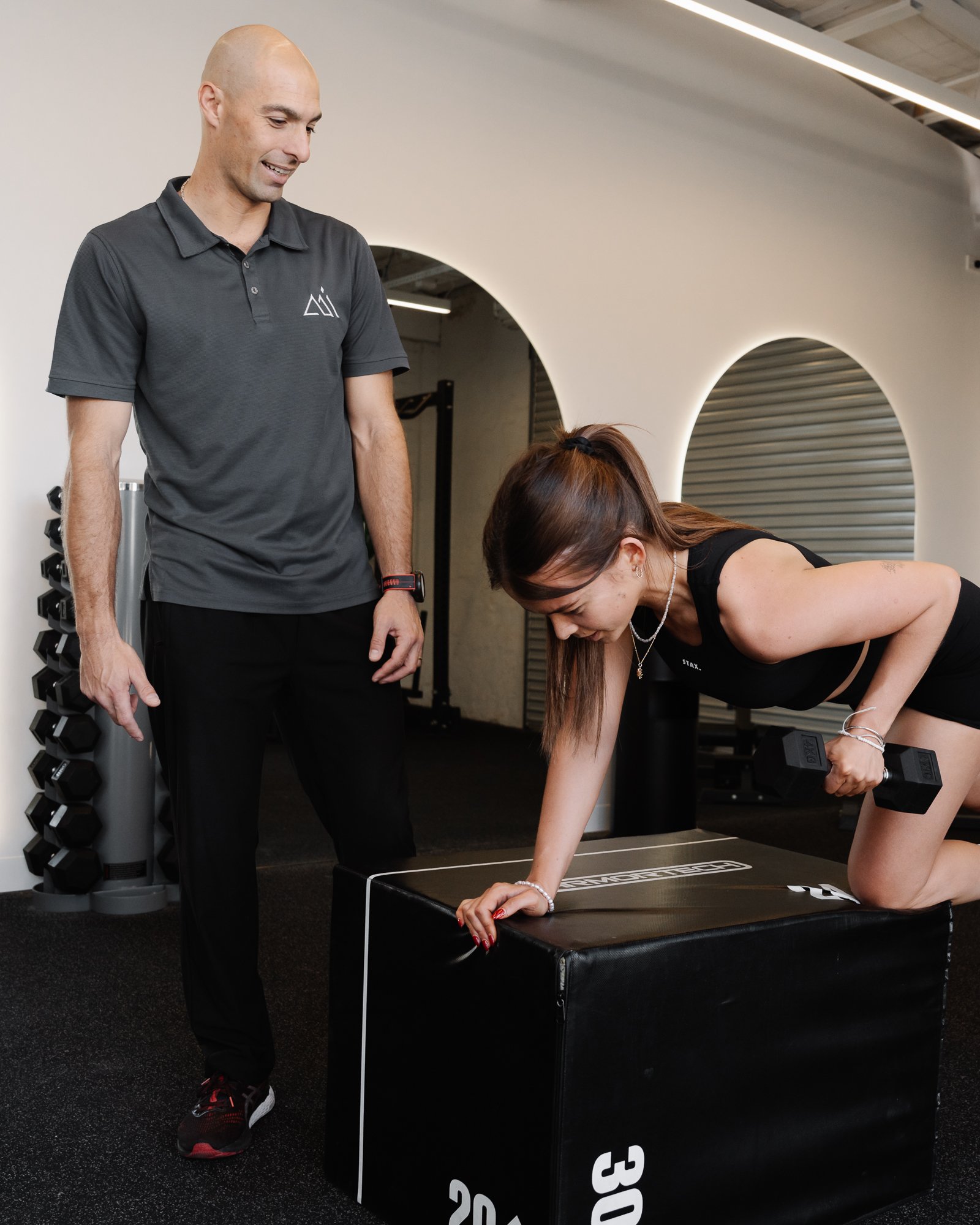
- Supervised Sessions — You exercise under supervision, learning proper technique and progressing safely.
- Home Program — You’re given exercises to continue between sessions, with regular check-ins to adjust the program as you improve.
Do You Need a Referral?
You can see an exercise physiologist at PPI Perth without a referral. However, if you have a chronic condition, you may be eligible for Medicare rebates under a Chronic Disease Management (CDM) plan from your GP — which can give you up to 5 subsidised sessions per year. We also accept DVA, NDIS, and private health insurance.
Why Choose PPI Perth for Exercise Physiology?
At PPI Perth in West Leederville, our AEPs work alongside our podiatrists, physiotherapists, chiropractors, and psychologists. This multidisciplinary approach means your exercise program is truly holistic — addressing not just your condition, but how it connects with other aspects of your health.
Ready to move better, feel stronger, and take control of your health? Book an appointment with our exercise physiology team at PPI Perth today.


